
Product
Networking Infrastructure
The part of the business nobody notices until it's down. We design, install, and keep running the network everything else depends on — from a single office to a multi-site setup.
Five designs, depending on what you're actually running
Real installs, not stock diagrams — the design changes with the building and the workload, not the other way around.
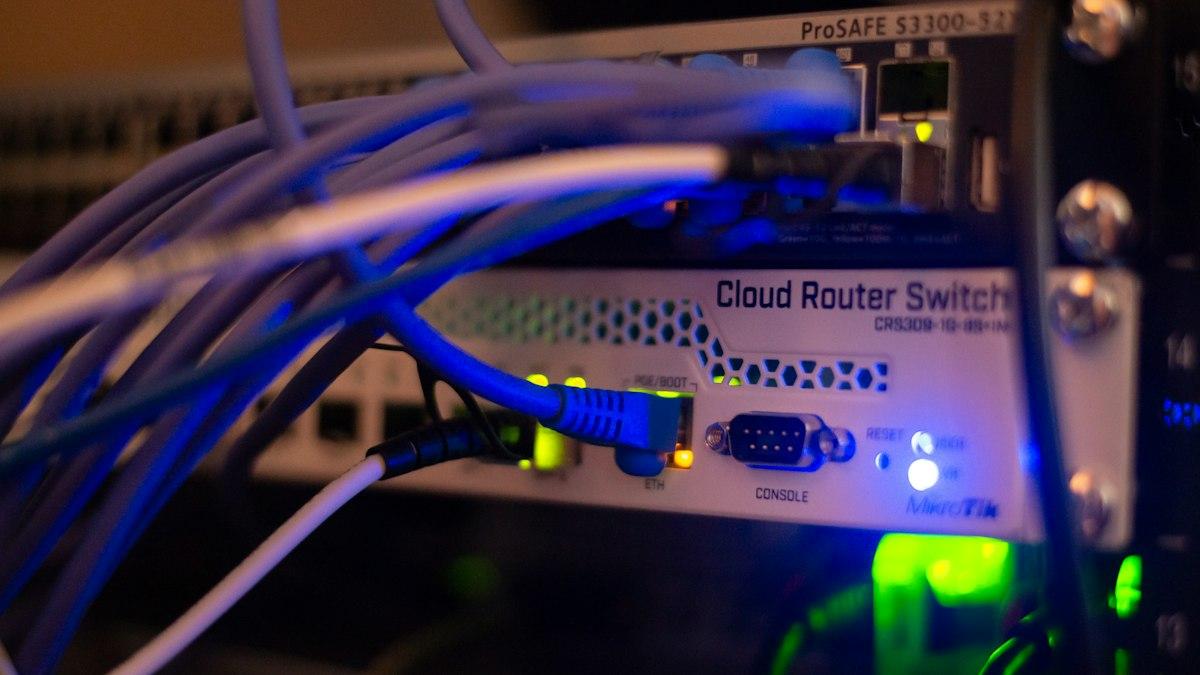
Office network & switching
The core of most office builds: a managed switch handling everything wired on the floor, patched deliberately rather than daisy-chained. VLANs separate staff traffic from guest Wi-Fi and any point-of-sale or camera gear, so one compromised guest device can't see the rest of the network.
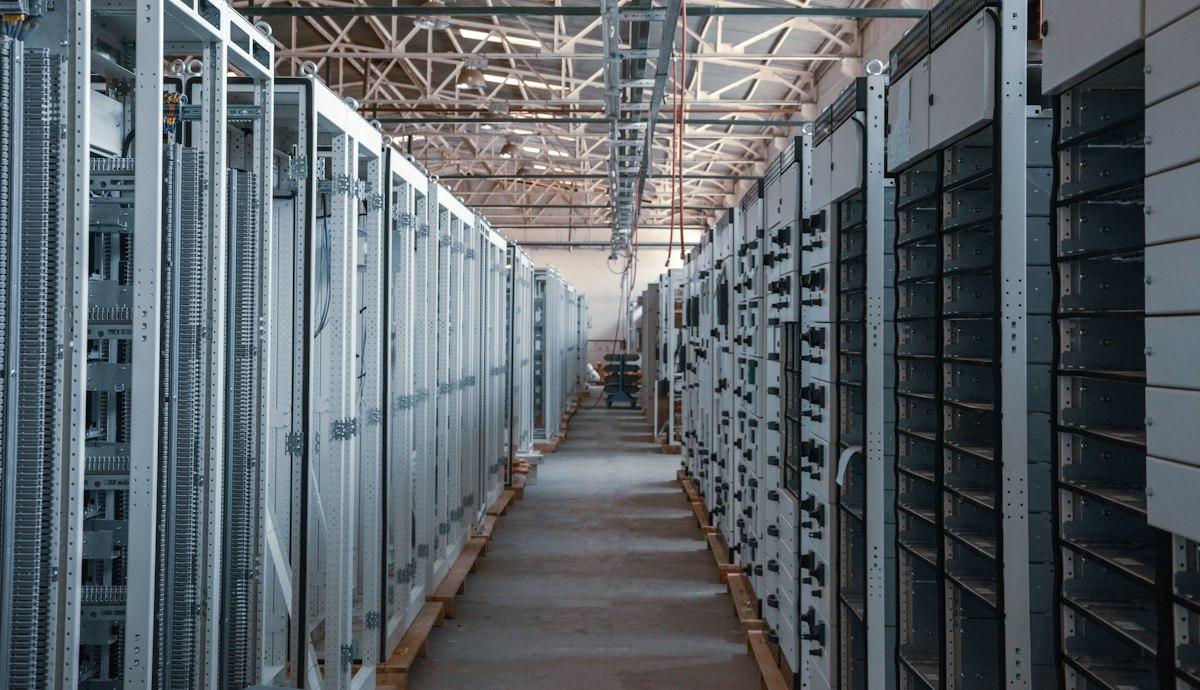
On-premise server rooms
For businesses that keep infrastructure in-house — line-of-business servers, local backups, phone systems. Racked properly with dedicated power and cooling planned around actual heat load, not just whatever closet had space.
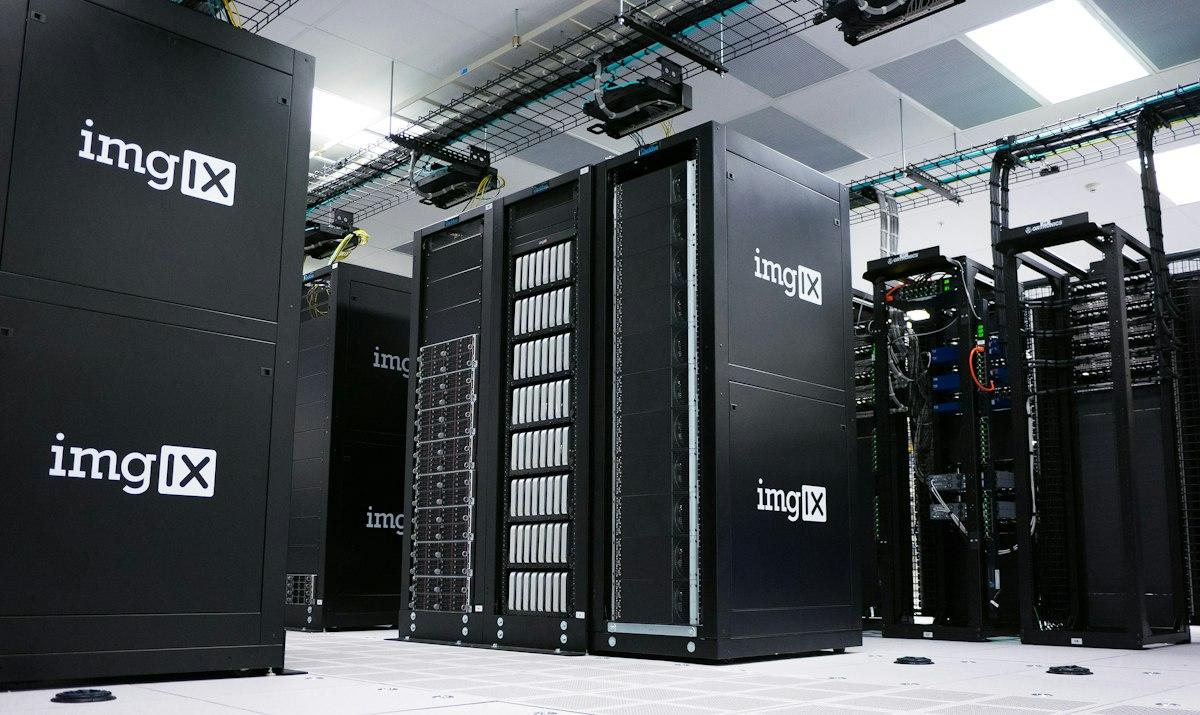
Data center & cloud infrastructure
When the workload outgrows a back room: colocated or cloud-hosted racks with redundant power and uplinks. We design the network side of the migration — routing, failover, and how your office actually reaches it — not just the server spec.
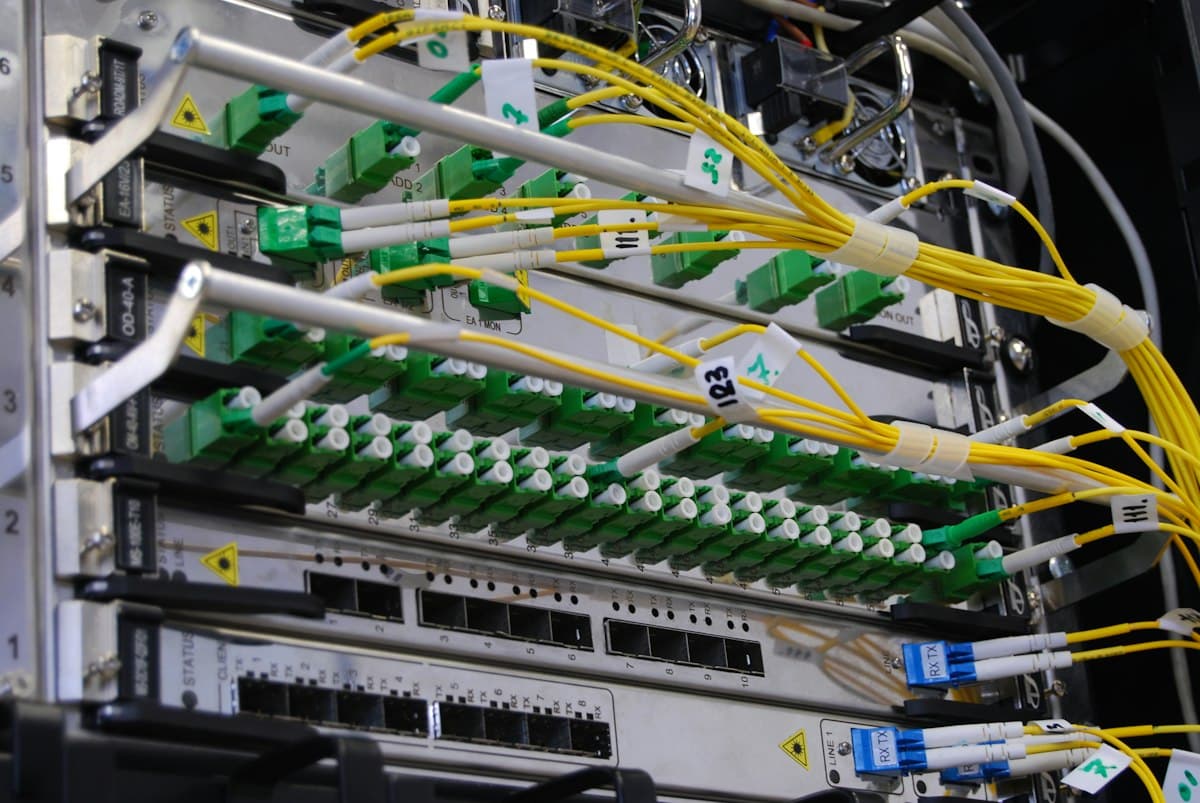
Structured cabling & fiber
Every run labeled and documented at install, not reverse-engineered later during an outage. Fiber where distance or interference rules out copper, patched into a panel that makes moves and repairs a five-minute job instead of a half-day of tracing cable.
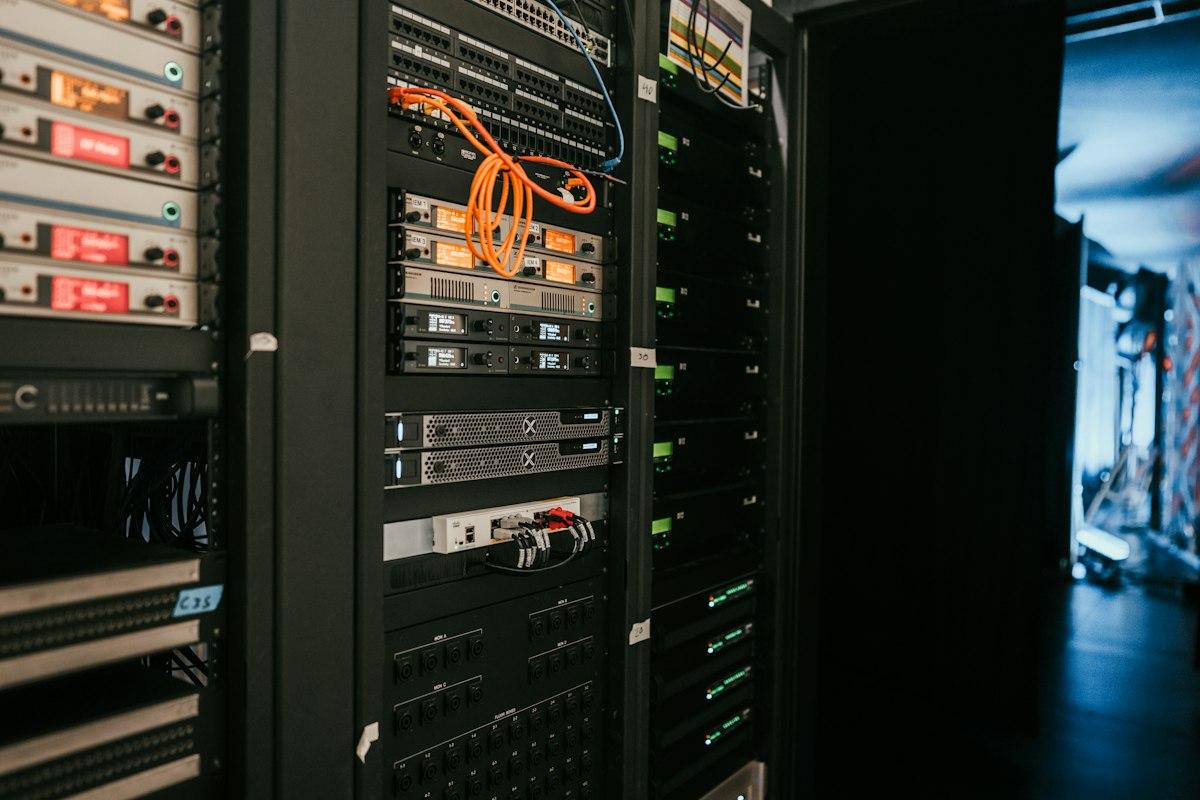
Equipment racks & power management
Power conditioning, UPS backup, and cable management in the same rack as the gear it protects — so a brief outage or a dropped cable doesn't take down everything behind it. The unglamorous part of a network that decides whether it stays up.
On-site
Hands-on, not just diagrams
Behind every design on this page is someone actually pulling cable, terminating a panel, and patching a rack — the unglamorous work that decides whether an install holds up.
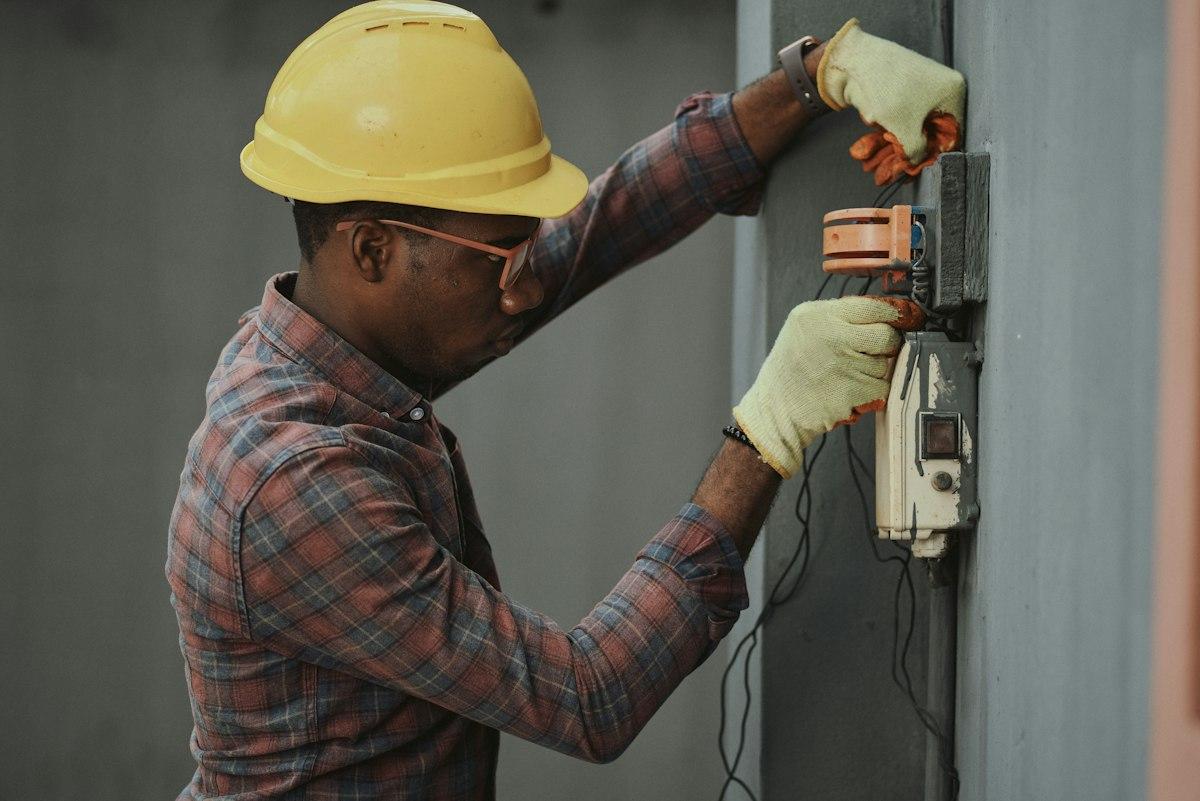
Cable termination and panel wiring, on site

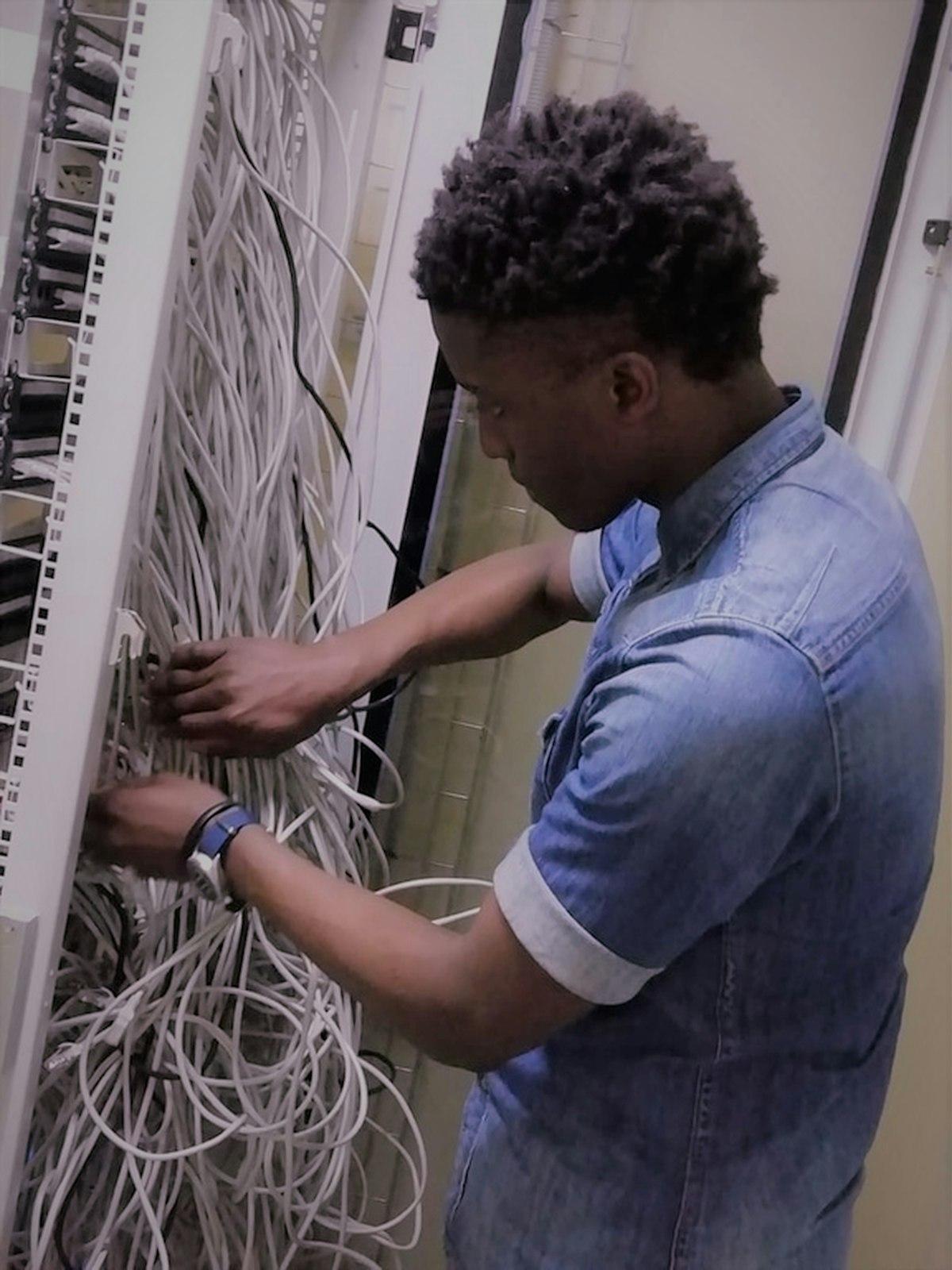
Office network setup
Structured cabling, switch and router configuration, and Wi-Fi coverage sized to the actual building, not a rule of thumb.
- Cabling and rack setup
- Wired & wireless coverage planning
- VLANs and guest network separation
Servers & cloud infrastructure
On-premise servers or cloud environments, sized and configured for what you're actually running on them.
- Server provisioning & configuration
- Cloud environment setup (AWS, GCP, or similar)
- Backup and failover planning
Security & ongoing support
Firewalls and access control set up correctly the first time, with someone to call when something breaks.
- Firewall and access-control configuration
- Network monitoring
- Support contracts with defined response times